5 Advantages of Installing Shutters in Your Home
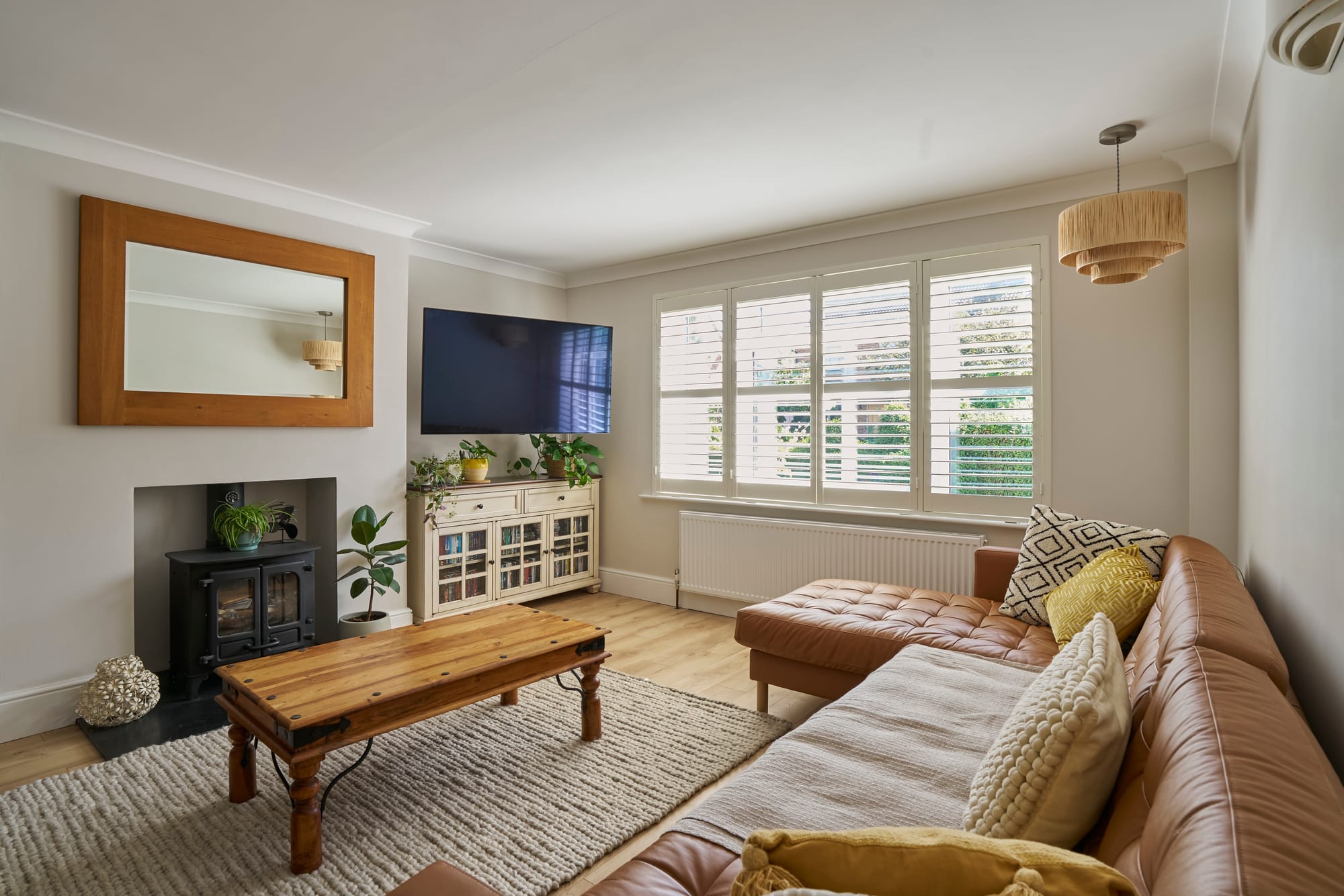
5 Advantages of Installing Shutters in Your Home
Homeowners along the West Coast of the Western Cape know how quickly conditions can change, bright sun in the afternoon, coastal winds in the evening, and moisture in the air throughout the year. Choosing the right window covering is not only about making a room look good, it is also about controlling light, managing heat, protecting privacy, and keeping your home comfortable with minimal effort. Shutters remain one of the most practical and long lasting options because they combine the daily convenience of adjustable light control with a solid, built in feel that suits both modern and classic homes.
For many households, shutters are also a lifestyle upgrade. They reduce the need to constantly adjust curtains, they can be cleaned quickly, and they give you a dependable barrier between the indoors and the outdoors without making the room feel closed off. If you are comparing shutters to standard blinds or soft fabric coverings, the differences become clear over time, especially in coastal regions where durability and easy maintenance matter.
Sunblinds Westcoast supplies blinds and installs shutters for homes across the West Coast, and one of the most common questions homeowners ask is whether shutters are worth the investment compared to other coverings. The answer depends on your goals, but there are five advantages that consistently stand out. Each advantage below is explained with practical examples and decision tips you can use when planning your home improvements.
- Advantage 1, Superior light control and everyday comfort
- Advantage 2, Better privacy without sacrificing natural light
- Advantage 3, Improved insulation and energy efficiency
- Advantage 4, Durability in coastal conditions and low maintenance
- Advantage 5, Increased property appeal and long term value
1) Superior light control and everyday comfort
One of the most immediate benefits of shutters is how precisely you can manage light. Unlike many standard coverings where you either open, close, or slightly filter, shutters let you fine tune the direction and intensity of daylight through adjustable louvers. You can angle the louvers to bounce harsh sunlight upward onto the ceiling, soften glare on a television, or brighten a space without exposing the room to outside eyes.
In practical terms, this matters in rooms where you spend the most time. Living rooms with west facing windows can become uncomfortably bright later in the day, especially in summer. With shutters, you can keep the louvers partially closed to block direct rays while still allowing enough ambient light for the room to feel open. This reduces the temptation to keep curtains closed all day, which can make interiors feel dim and enclosed.
Bedrooms also benefit from the range of control shutters offer. Many homeowners want darkness at night and soft light in the morning without fully opening the window covering. Shutters let you keep the panels closed and simply adjust the louvers for small amounts of light and airflow. If you add a mid rail or split control configuration, you can close the lower section for privacy while tilting the upper louvers for daylight. That combination is difficult to achieve with most blinds and makes shutters especially attractive for street facing rooms.
Home offices are another area where the advantage is clear. Glare on screens can lead to eye strain and lower productivity. Shutters allow you to cut glare without losing the psychological benefits of daylight. You can angle the louvers so the room stays bright and comfortable while the direct beam is redirected away from your desk. This is a detail that homeowners increasingly value as more people work from home and want spaces that function well across the entire day.
Light control is also about mood and design. Shutters create clean, structured light patterns that can make a room feel more intentional. If you enjoy a bright home but do not want the harshness of full sun, shutters create a more controlled glow. This is especially helpful in open plan spaces where the dining area, lounge, and kitchen share the same wall of windows. You can adjust different panels to suit each zone, which improves comfort across the whole space.
For coastal homes, controlling light can also reduce fading and interior wear. Strong sunlight can fade furniture fabric, rugs, wooden floors, and artwork over time. Shutters provide a strong layer of protection because you can reduce UV exposure during peak hours while still keeping the room usable. In other words, you protect what you have invested in inside the home while maintaining day to day comfort.
- Tip: If you are sensitive to glare, consider wider louver options for a clearer view when open and stronger shading when closed. Louver size influences how open the room feels and how much light you can shape.
- Tip: For bedrooms, ask about configurations that allow separate control of top and bottom sections. This gives you better morning light and privacy control without fully opening the shutter panels.
- Tip: In rooms with large windows, plan panel layouts carefully so you can adjust light without opening the entire system. More panels can mean more flexible control if designed properly.
2) Better privacy without sacrificing natural light
Privacy is often the main reason homeowners consider shutters in the first place, and the advantage is not only that shutters block views when closed. The real benefit is that shutters let you protect privacy while still keeping natural light in the room. This is particularly important in suburbs, in townhouses, and in coastal neighbourhoods where homes or walkways may be close to each other.
With curtains, privacy frequently means fully closing the fabric. This blocks light and can make the room feel closed off, especially during the day when you want the energy and brightness of sunlight. With shutters, you can keep the louvers angled so that passersby or neighbours cannot see in, while the room still receives daylight. The effect is a brighter, calmer interior and less reliance on artificial lighting during daytime.
Bathrooms are a perfect example. Many bathrooms have windows for ventilation and to reduce humidity, but the window is often near a neighbour's view or a street. Shutters allow you to keep the window covered for privacy while still letting air and light through. If your bathroom window faces morning sun, you can enjoy the light without exposure. If the window faces a walkway, you can tilt the louvers upward to prevent anyone from seeing inside while still allowing daylight to enter from above.
Street facing bedrooms and lounges also benefit. In these rooms, you may want to enjoy the view and the light during the day but quickly switch to privacy in the evening. Shutters allow that transition in seconds. Instead of drawing curtains and losing the sense of space, you can simply tilt the louvers. The home feels more open, but you still maintain control over what is visible.
Privacy is not only about people seeing in, it is also about reducing the feeling of being exposed. Even if there is no direct line of sight into the room, large uncovered windows can make people feel vulnerable at night when lights are on inside. Shutters create a more solid boundary than many blind types. When closed, they provide a strong visual barrier that can make a home feel more secure and restful.
Another privacy advantage is consistency across the home. Many homeowners try to mix different coverings to handle privacy where needed, but the result can be visually inconsistent. Shutters provide a unified look that can be applied across bedrooms, bathrooms, and living spaces while still allowing each room to be adjusted for its individual privacy needs. This uniformity is valuable if you care about interior design cohesion and want a clean finish throughout the home.
- Tip: If privacy is your priority, consider the sight lines from outside. A professional measurement and installation helps ensure panel gaps are minimal and frames fit correctly.
- Tip: For bathrooms and high moisture areas, choose materials that handle humidity well, and confirm the hardware is suitable for frequent use.
- Tip: For homes close to neighbours, ask about split tilt options so the lower louvers can stay closed for privacy while the upper section brings in light.
3) Improved insulation and energy efficiency
Shutters can contribute meaningfully to insulation and energy efficiency, which is a significant advantage in climates that experience both warm summers and cooler winter periods. Even in the Western Cape, temperatures and comfort can vary widely during the year, and coastal wind can make indoor spaces feel colder. Window coverings that create an extra barrier at the glass help stabilise indoor conditions and reduce how hard your heating or cooling needs to work.
Windows are one of the main paths for heat gain and heat loss. During hot days, sun through glass can push indoor temperatures up quickly, especially on western and northern sides. Shutters let you reduce solar gain by closing or angling the louvers. Because shutters sit close to the window and create an added layer of separation, they can reduce the intensity of heat entering the room during peak sunlight hours. The difference is often felt most in rooms with large glazing areas or in open plan homes where heat accumulates.
During colder months, shutters help by adding an insulating layer, especially at night when temperatures drop. When shutters are closed, the air trapped between the shutter and the glass can reduce drafts and slow heat loss. While shutters will not replace double glazing, they can complement it and improve the overall comfort of a room, particularly in bedrooms where you want consistent temperature through the night.
Energy efficiency is also about managing airflow. Shutters let you ventilate while controlling sun and privacy. On mild days, you can open the window and angle the louvers to allow air in while still controlling direct sun. This can reduce the need for fans or air conditioning in some situations. In coastal areas where a breeze is common, being able to invite airflow while maintaining a sense of privacy is a practical daily advantage.
Another overlooked part of energy control is reducing reliance on artificial light. Because shutters allow you to keep privacy while still admitting daylight, many homeowners use less lighting during the day. Over time, this can contribute to lower energy consumption. More importantly, it makes the home feel brighter and more pleasant, which is one of the simplest ways to improve quality of life without changing the structure of the house.
Shutters can also help protect interior finishes from temperature related stress. Excessive sunlight and heat can contribute to cracking in some finishes or accelerated wear in fabrics. By reducing the extremes, shutters help create a more stable interior environment. This is especially important for rooms with wooden floors or valuable furniture placed near windows.
- Tip: Consider where your home experiences the most heat gain. West facing rooms often benefit from shutters that can block late afternoon sun while still allowing light into the ceiling area.
- Tip: For winter comfort, close shutters at night and open them during the day when the sun can naturally warm the room.
- Tip: If you want both ventilation and shading, shutters provide a flexible approach. You can open windows while keeping louvers angled for sun control.
4) Durability in coastal conditions and low maintenance
Coastal living is beautiful, but it can be hard on home finishes. Wind carries fine dust and salt, moisture levels can be higher, and sun intensity can be strong. These factors can cause some window coverings to degrade faster than expected. Shutters stand out because they are designed as a more permanent fixture, with robust frames, stable panels, and surfaces that can be maintained without special products or constant replacement.
Fabric curtains can trap moisture, hold odours, and collect dust, especially in rooms that are opened frequently to coastal air. They often require washing, steaming, or professional cleaning to stay fresh. Many blinds can warp, fray, or develop uneven slats over time if exposed to fluctuating humidity or frequent handling. Shutters, by contrast, are typically easier to keep looking consistent because they have a solid form and simpler cleaning needs.
Maintenance is usually straightforward. Regular dusting and occasional wiping with a slightly damp cloth can keep shutters clean. This is particularly useful in kitchens where cooking residue can settle on surfaces, and in coastal homes where airborne particles are common. The ability to clean quickly matters for busy households, holiday homes, and rental properties where you want the home to look good without complicated upkeep.
Durability also includes the way shutters operate. Many homeowners end up frustrated with blinds where cords tangle, mechanisms break, or slats bend. Shutters tend to have sturdy hardware and simple movement patterns. You open panels, you tilt louvers, and the system feels stable. This can be a major advantage for families with children because shutters are less likely to be damaged by everyday use, and they do not rely on long cords that can become messy.
In moisture prone areas such as bathrooms, laundries, and some kitchens, shutters can perform especially well when the right materials are chosen. The key is matching the shutter type to the environment. In high humidity zones, moisture resistant options reduce the risk of swelling or finish wear. For coastal homes where windows are opened often, choosing a finish that withstands frequent wiping and exposure is a practical decision that pays off in longevity.
Another aspect of durability is how shutters age visually. Many coverings look tired when slightly bent, faded, or uneven, and small imperfections are noticeable because the covering is light and flexible. Shutters are more forgiving because they are structured. If cared for, they keep their crisp lines and continue to look like an intentional part of the architecture rather than an add on.
Low maintenance is also important for people who travel or who use their homes seasonally. Shutters can be closed to protect interiors from sun, and when you return, they need minimal attention to look good again. This makes them well suited to holiday properties along the coast where you want a ready to enjoy space with minimal setup.
- Tip: For coastal homes, ask about finishes and materials suited to humidity and frequent cleaning. The right choice reduces long term wear and keeps the shutters looking new.
- Tip: In kitchens, choose shutters that are easy to wipe down. Smooth finishes tend to handle cooking particles better than textured surfaces.
- Tip: If you want a child friendly solution, shutters reduce clutter and eliminate the common issues associated with cords and dangling controls.
5) Increased property appeal and long term value
Shutters are widely viewed as an upgrade because they look built in rather than temporary. This aesthetic advantage often translates into stronger property appeal. When people walk into a home and see shutters, they tend to interpret them as a thoughtful investment, something that improves comfort and style at the same time. Unlike some trendy coverings that date quickly, shutters usually maintain a classic look that works across many interior styles.
The reason shutters contribute to value is not only visual. They also signal practicality. Buyers and renters often consider whether a home offers privacy, light control, and comfort without requiring immediate extra spending. Shutters address these concerns in a way that feels durable and premium. Even if a buyer plans to change wall colours or furniture, shutters can remain as a neutral, functional feature that suits the new owner.
From a design perspective, shutters create clean lines and consistent proportions. They can make windows look more finished and can frame the view in an attractive way. In many homes, windows are a major architectural feature, and shutters help them feel intentional. This is especially important in open plan living areas where the windows are focal points. A well installed shutter system can make the room feel more refined and cohesive.
Shutters can also make smaller rooms feel more spacious. Heavy curtains can visually close in a room by adding fabric volume around the window. Shutters sit neatly within a frame and can be opened fully to clear the view. This reduces visual clutter and makes the room feel more open. In homes where space is valuable, such as compact coastal cottages or modern apartments, that sense of openness can be a selling point.
Another value factor is longevity. Because shutters are designed to last, the cost can be spread over many years. When homeowners compare repeated replacement of cheaper coverings to one well installed shutter solution, the long term economics often favour shutters, especially when you factor in cleaning and maintenance costs. This is not only about money, it is also about time and hassle, which many homeowners consider just as important.
In rental properties, shutters can reduce ongoing management issues. They are harder to damage than some blinds, and they present well in listing photos. They also simplify tenant expectations around privacy and light control. For short term rentals near the coast, where guests may not treat the property as gently as an owner would, durable shutters can be a practical way to keep the property looking good between stays.
Finally, shutters contribute to the feeling of quality. When a home feels solid and well finished, occupants tend to treat it with more care, and guests often perceive it as cleaner and more comfortable. That psychological effect is subtle, but it is real. Shutters create a tidy, structured look that makes a room feel considered, which can elevate the overall impression of the entire home.
- Tip: If resale appeal matters, choose a timeless colour and louver size that suits the architecture. Neutral tones often work best across different decorating styles.
- Tip: Consider consistency. Installing shutters across front facing rooms can create a unified street side look that feels premium from the outside and cohesive from the inside.
- Tip: If you are upgrading for rentals, prioritise durability and easy cleaning. A robust shutter choice can reduce turnover time and maintenance calls.
Additional planning tips to get the most from your shutters
- Measure and layout matter: Shutters are a fitted product, so accurate measurement and a sensible panel layout make a big difference. A good layout ensures panels open smoothly, the stack back does not block too much glass, and you can access window handles comfortably.
- Consider how you use each room: A bedroom may benefit from tighter light control, while a living room might prioritise view and airflow. Matching louver size and control style to the function of the room improves satisfaction long after installation.
- Think about window shape and depth: Some windows allow inside mounting for a flush look, while others require outside mounting. The best approach depends on recess depth, obstructions, and the finish you want.
- Plan for doors and high traffic areas: If you are installing shutters on patio doors or frequently used openings, discuss how the shutters will fold, slide, or open so daily movement is easy and the shutters do not become an obstacle.
- Match shutters to your interior palette: Shutters often become a permanent visual element. Choosing a finish that works with floors, wall colours, and trim can make the whole room feel more coherent.
- Prioritise quality hardware: Hinges, catches, and tilt mechanisms are the parts you touch every day. Durable hardware makes operation smoother and reduces long term issues.
Common questions homeowners ask before installing shutters
- Will shutters make my rooms too dark? When louvers are open, shutters allow plenty of daylight. The advantage is that you can control the angle and intensity. If you want maximum brightness, choosing an appropriate louver size and a layout that opens fully can keep rooms light and airy.
- Do shutters work in humid areas like bathrooms? Yes, with the right material selection and professional installation. Moisture resistance is a key consideration. The benefit is that you can keep privacy and ventilation while using a covering that is easy to wipe clean.
- Are shutters difficult to clean? They are usually easier to clean than fabric coverings. Regular dusting and occasional wiping is typically enough. This is particularly helpful in coastal environments where dust and salt can settle quickly.
- Can I still open my windows easily? With a good design, yes. The panel configuration should allow access to handles and should not block the window from opening. This is why accurate measuring and planning are important.
- Are shutters a good alternative to blinds? They can be, especially if you want a more permanent solution with strong privacy, light control, and a premium look. Blinds can be excellent for certain budgets or styles, but shutters often win on longevity and overall feel.
Summary of the five advantages
- Superior light control: Adjust louvers to reduce glare, soften sunlight, and maintain comfortable rooms throughout the day.
- Better privacy with daylight: Keep rooms bright while limiting views from outside, which is ideal for street facing windows and close neighbours.
- Energy efficiency: Reduce heat gain in summer, limit heat loss in winter, and use daylight more effectively to cut reliance on artificial lighting.
- Durability and easy maintenance: A strong, structured covering that suits coastal conditions and stays presentable with simple cleaning.
- Property appeal and value: A built in look that enhances design cohesion, improves buyer perception, and provides long term benefits.
Shutters solve daily comfort issues in a way that feels permanent and polished, which is why they remain a top choice for homeowners who want more than basic window coverage. If you are based on the West Coast of the Western Cape and want a solution that handles strong sun, changing weather, and the need for flexible privacy, shutters can be a practical, long lasting upgrade that improves how your home looks and feels every single day.